- John Hansen
- May 1, 2022
‘There is a Tide …’ (1948) soaked with good characters, case
“There is a Tide …” (1948, also published as “Taken at the Flood”) is one of those Agatha Christie novels where you close it and


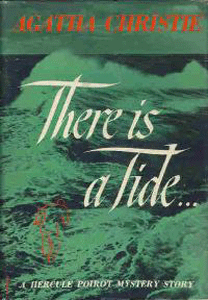
“There is a Tide …” (1948, also published as “Taken at the Flood”) is one of those Agatha Christie novels where you close it and
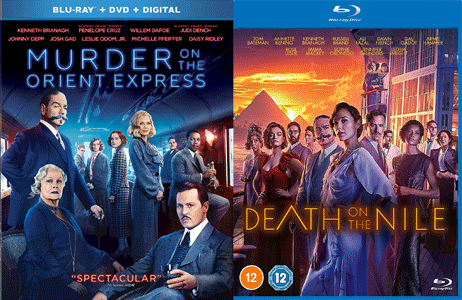
Kenneth Branagh’s Hercule Poirot isn’t Agatha Christie’s Poirot nor David Suchet’s Poirot; indeed, he’s not a lot of fans’ Poirot. However, if you’re gonna yet
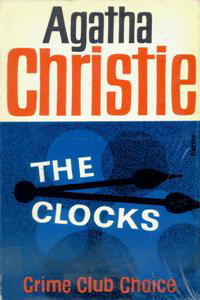
“The Clocks” (1963) is a fun and entertaining late-career novel for Poirot, although he isn’t introduced until halfway through the events. He solves the case
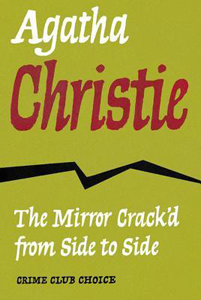
“The Mirror Crack’d from Side to Side” (1962) has nothing to do with a mirror (the line comes from a Tennyson poem), but it’s about
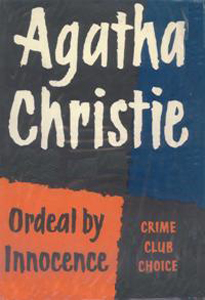
Agatha Christie pounds home one theme in “Ordeal by Innocence” (1958). She becomes fascinated by the fact that when everyone in a household is a
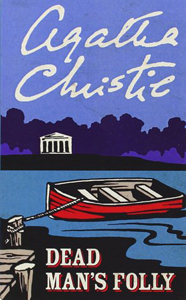
“Dead Man’s Folly” (1956) is a page-turner with an evocative main setting of a carnival on a country mansion’s grounds, humorous interplay between Ariadne Oliver
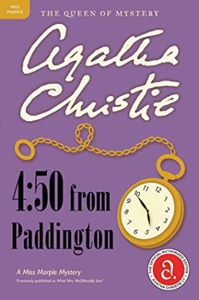
Agatha Christie’s “4:50 from Paddington” (1957, also published as “What Mrs. McGillicuddy Saw!”) is outfitted with a lot of the tropes we enjoy. Miss Marple
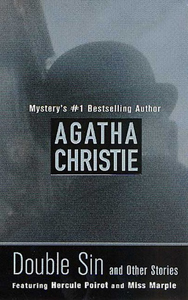
“Double Sin and Other Stories” (1961) collects eight Agatha Christie yarns published in magazines from 1925 through 1960. With four Poirots and two Marples, the
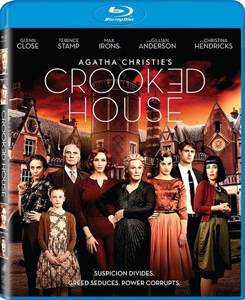
“Crooked House” (1949) is one of Agatha Christie’s best, but also coldest, novels. In that regard, the 2017 movie adaptation is thematically faithful. Set in
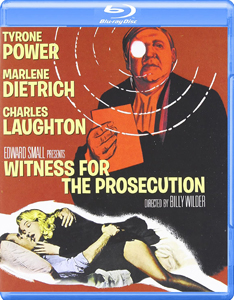
“Witness for the Prosecution” (1957) regularly ranks as one of the great Agatha Christie adaptations, but it’s admirable for its basic ability to tell a