
Alfred Hitchcock

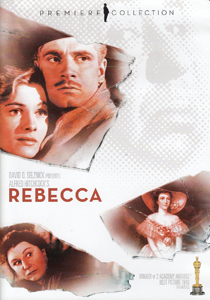
Hitchcock comes to America in style with ‘Rebecca’ (1940)

Alfred Hitchcock’s first Hollywood film, “Rebecca” (1940), is about a newlywed who feels powerless and overwhelmed – and is even unnamed in the screenplay –
READ MORE

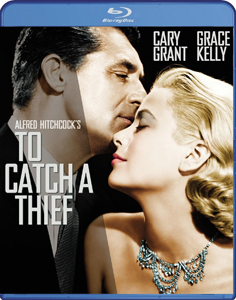
‘To Catch a Thief’ (1955) is a relaxing take on suspense

“To Catch a Thief” (1955) is so gorgeous to look at, and Cary Grant is so suave and Grace Kelly so elegant, that it actually

READ MORE

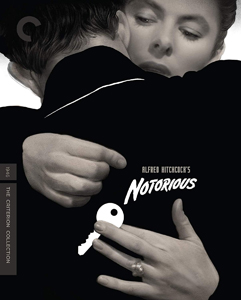
Hitchcock’s ‘Notorious’ (1946) illustrates art of subtle suspense

“Notorious” (1946) is the entry in Alfred Hitchcock’s oeuvre that can be most crisply studied for its artistry in slow-burn suspense. Ingrid Bergman’s Alicia –

READ MORE

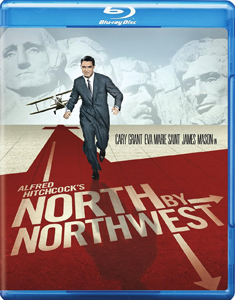
‘North by Northwest’ (1959) an early action classic with humor

Almost without exception, at the end of watching every movie in my “On a Hitchcock Kick” series I’ve thought, “Ah, I can see why critics

READ MORE

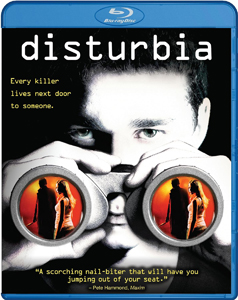
‘Disturbia’ (2007) a respectable teen take on ‘Rear Window’

After the Christopher Reeve “Rear Window” (1998) dug into the daily life of a quadriplegic, the 1954 Hitchcock classic further showed its flexibility as a

READ MORE

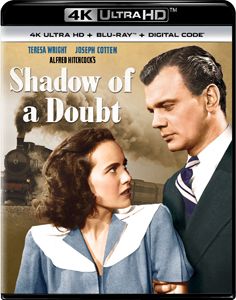
Less is more in understated ‘Shadow of a Doubt’ (1943)

There’s no doubt “Shadow of a Doubt” (1943) wouldn’t fly today without alterations. It’s a prime example of director Alfred Hitchcock’s principle that less is

READ MORE

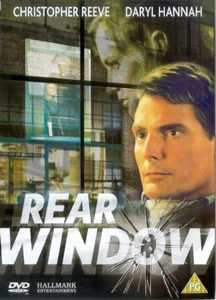
Reeve, Hannah make ‘Rear Window’ (1998) better than it should be

One of the reasons accepted as valid for remaking a perfect classic is if you have something new to say via the same (or very

READ MORE

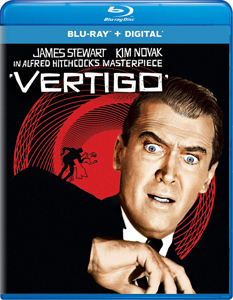
‘Vertigo’ (1958) a surreal, maybe unreal, masterpiece

“Vertigo” (1958) is the second-best film of all time according to Sight & Sound’s 2022 worldwide poll of critics and directors, beaten out only by

READ MORE

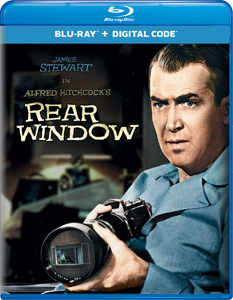
‘Rear Window’s’ (1954) views on privacy, spying remain relevant

A lot of single-apartment movies from the early decades of film feature a rear-projection backdrop out the window (1948’s “Rope”) or are shot from the

READ MORE

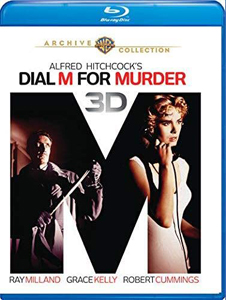
‘Dial M for Murder’ (1954) … or for masterpiece

“Dial M for Murder” (1954) goes through phases of whodunit, “how are they gonna do it,” “how will the frame job work” and howcatchem. The

READ MORE