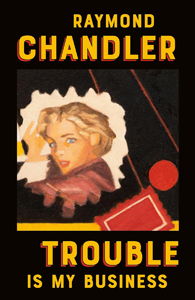
Marlowe also operates in short form in ‘Trouble is My Business’ (1950, 1992)
Sleuthing Sunday (Book review): These four short stories were originally part of the “Simple Art of Murder” collection before being pulled out into their own book.
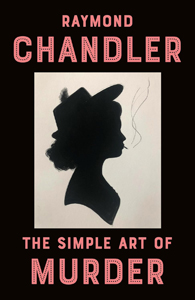
‘Simple Art of Murder’ (1950) has overly complex street-level mysteries
Sleuthing Sunday (Book review): Not as accessible as the Marlowe novels, this collection is worth reading for Chandler’s titular essay.
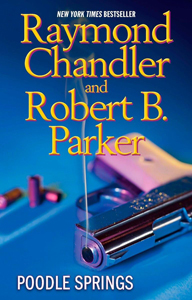
Parker takes the baton from Chandler in refreshing ‘Poodle Springs’ (1988)
Sleuthing Sunday (Book review): One of the most successful authors inspired by Chandler gets his own crack at Marlowe by finishing “The Poodle Springs Story.”
Chandler salvages screenplay for one more Marlowe novel, ‘Playback’ (1958)
Sleuthing Sunday (Book review): Though it’s the slightest Marlowe novel, it still gives us the goods we’ve come to expect.
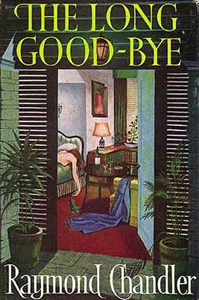
Marlowe actually makes friends in ‘The Long Goodbye’ (1953)
Sleuthing Sunday (Book review): However, that doesn’t turn his life or his job into a breeze in Raymond Chandler’s meatiest novel.
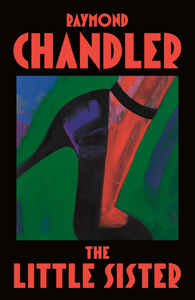
People aren’t what they seem in ‘The Little Sister’ (1949)
Sleuthing Sunday (Book review): This decent mystery is a stronger character piece and behavior analysis from Chandler.
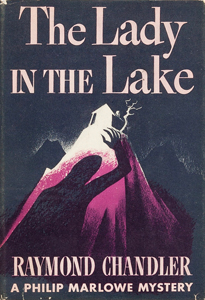
‘Lady in the Lake’ (1943) won’t leave reader high and dry
Sleuthing Sunday (Book review): His skill at characters and prose already in place, Chandler now delivers his best page-turning mystery to this point.
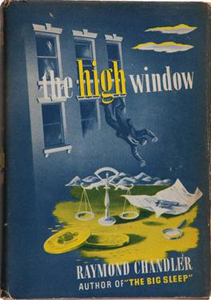
With ‘The High Window’ (1942), Chandler sets a high bar
Sleuthing Sunday (Book review): Plot and characters make a big leap without sacrificing style in the third Marlowe novel.
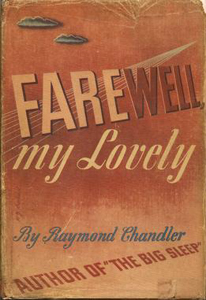
Chandler makes Marlowe human in ‘Farewell, My Lovely’ (1940)
Sleuthing Sunday (Book review): In the second Marlowe novel, the detective is more grounded than he is superhero-ish.
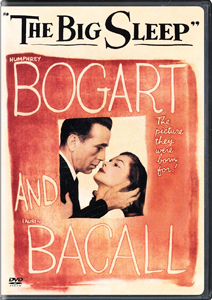
‘The Big Sleep’ (1946) goes from elite novel to respectable film
Sleuthing Sunday (Movie review): Though it won’t cause narcolepsy, Hawks’ film is too hampered by censorial limitations to totally capture Chandler’s vibe.