- John Hansen
- November 14, 2021
‘Pocket Full of Rye’ (1953) a pocket full of tropes
“A Pocket Full of Rye” (1953) is a novel full of tropes, but I mean that in a good way. If the previous Agatha Christie


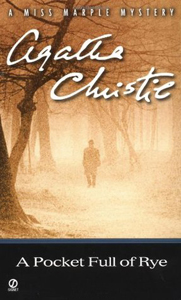
“A Pocket Full of Rye” (1953) is a novel full of tropes, but I mean that in a good way. If the previous Agatha Christie
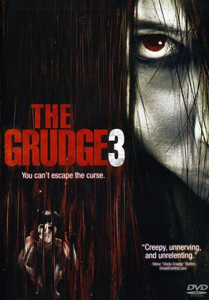
“The Grudge” films continue to be oddly conservative in their storytelling with “The Grudge 3” (2009). At a point where the series desperately needs a

“Yellowjackets” (Sundays, Showtime, with the first episode free to everyone) has one of the best trailers of the Fall TV season. The idea of a
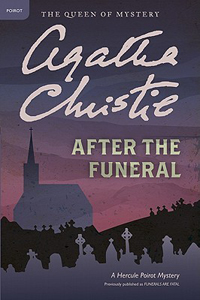
Fans who delight in Agatha Christie’s internal tropes will love “Funerals are Fatal” (1953, a.k.a. “After the Funeral”). It’s a page-turner with a family full
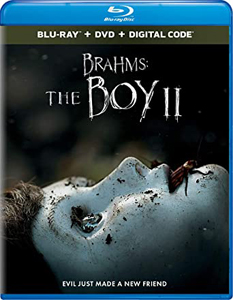
I almost laugh every time “Brahms: The Boy II” (2020) focuses in on the facial expression of the titular doll that’s supposedly terrorizing English-American couple
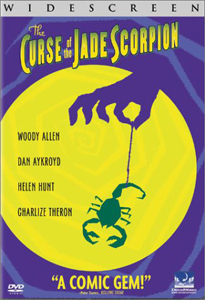
Music and visual style are backdrops to the great Woody Allen films, but I notice them more in the weaker ones. “The Curse of the
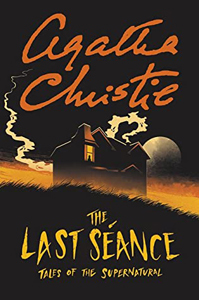
Agatha Christie was fascinated by the supernatural and paranormal – or at least the possibility thereof. But because her genre short stories are peppered across
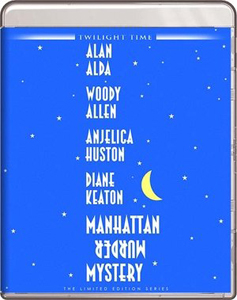
Woody Allen acts across from Diane Keaton and co-writes with Marshall Brickman for the first time since “Manhattan” (1979) in an apt followup: “Manhattan Murder
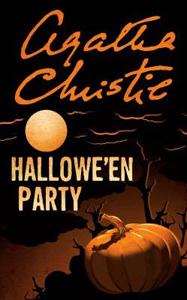
Agatha Christie is capable of writing spooky stuff, but it’s not till Poirot’s third-to-last novel, “Hallowe’en Party” (1969), that we get a Halloween-set yarn. Similar
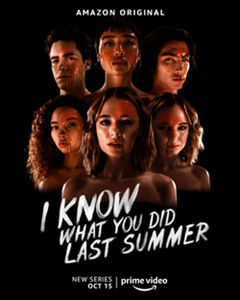
Lois Duncan (1934-2016) lamented that her 1973 YA suspense novel “I Know What You Did Last Summer” was adapted into a slasher movie in 1997.