- John Hansen
- July 6, 2021
In Pratt’s ‘Tomorrow War,’ war is hella awesome
A military woman in “The Tomorrow War” (Amazon Prime) tells a new draftee why they haven’t released photos of the alien invaders to the public.


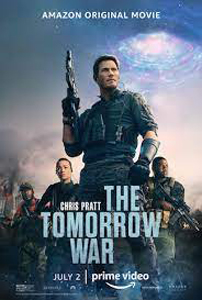
A military woman in “The Tomorrow War” (Amazon Prime) tells a new draftee why they haven’t released photos of the alien invaders to the public.
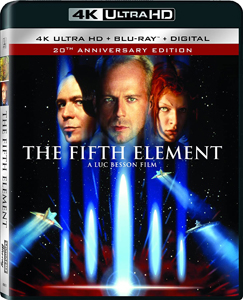
“The Fifth Element” (1997) requires a pact with the audience that they’ll be up for something stylistically and tonally different from the average SF space

“Awake” (Netflix) has one of those premises that could turn out ingenious or stupid, but it unfortunately leans more toward the latter. In an unneeded
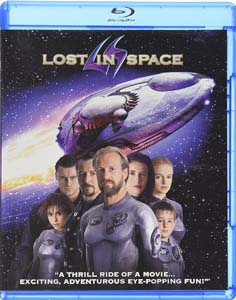
I have a soft spot for “Lost in Space” (1998). In retrospect, it’s neat how long “Titanic” stayed at No. 1 at the box office, but
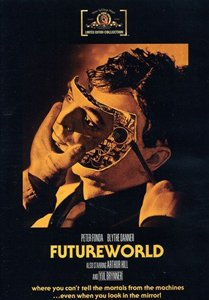
Most people know HBO’s “Westworld” is based on Michael Crichton’s 1973 movie of the same name, but it’s perhaps less well-known that Seasons 2 and
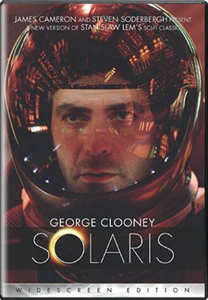
Writer-director Steven Soderbergh’s “Solaris” (2002) tries to do something different 30 years after the classic Russian adaptation of the Stanislaw Lem novel. It fails in
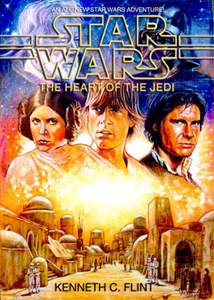
Kenneth C. Flint’s “The Heart of the Jedi,” written in 1992, was originally published on starwarstimeline.net in 2015. But it received new attention in recent
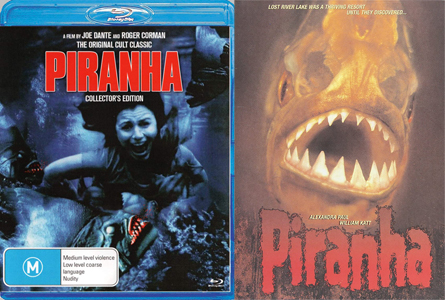
“Piranha” (1978) is sometimes described as a “Jaws” parody, but really it’s a knockoff of the 1975 Steven Spielberg classic, with any laughs being broad
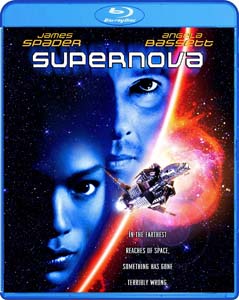
“Supernova” (2000) was disowned by director Walter Hill (a writer on “Aliens” and “Alien 3”) before its release (the fake name Thomas Lee is used),

Watched today, “Solaris” (1972) requires a pact with the viewer beforehand. It offers none of the things we look for in modern space films, such