
Agatha Christie

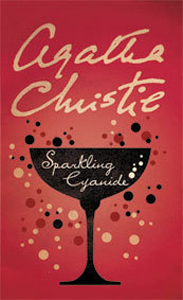
Christie reflects on death in ‘Sparkling Cyanide’ (1945)

“Sparkling Cyanide” (1945, also known as “Remembered Death”) was adapted twice into TV movies despite not featuring Poirot or Marple, and it’s easy to see
READ MORE

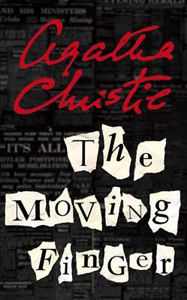
Makeovers, musings come to fore in ‘Moving Finger’ (1943)

“The Moving Finger” (1943) is not the deepest Agatha Christie novel. But it might intrigue fans of more recent teen fare such as “She’s All

READ MORE

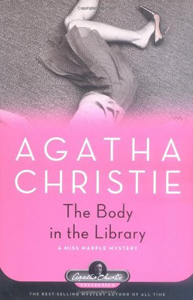
Marple says ‘trust no one’ in ‘Body in the Library’ (1942)

Miss Marple goes a surprising 12 years between her first and second novels, returning in “The Body in the Library” (1942). I’m struck by how

READ MORE

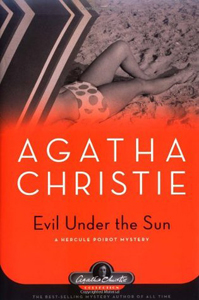
Christie’s ‘Evil Under the Sun’ (1941) an ideal beach read

In “Evil Under the Sun” (1941), Hercule Poirot takes a vacation to Smugglers’ Island, off the Southwest coast of England. Wouldn’t you know it, a

READ MORE

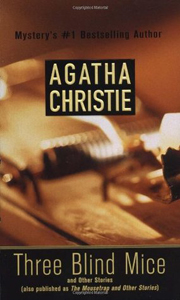
‘Mousetrap’ collection (1950) doesn’t merely squeak by

“The Mousetrap and Other Stories” (1950) kicks off with a trivia answer: The title novella is the only Agatha Christie story not published in the

READ MORE

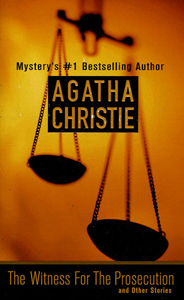
‘Witness for the Prosecution’ (1948) guilty of being great

“The Witness for the Prosecution and Other Stories” (1948) collects 11 Agatha Christie short stories that were originally published in magazines from 1924-47. They were

READ MORE

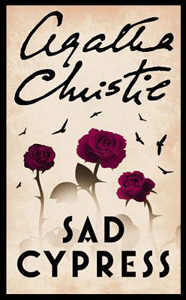
‘Sad Cypress’ (1940) a powerful Poirot potboiler

While I don’t know why Agatha Christie goes with a Shakespeare phrase to title “Sad Cypress” (1940) – main character Elinor is sad, but she’s

READ MORE

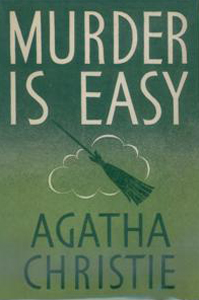
Christie’s ‘Murder is Easy’ (1939) is easy to like

“Murder is Easy” (1939), appropriately, is an easy-to-read Agatha Christie novel. It’s like a snack more than a full-course meal. Although it won’t rank on

READ MORE

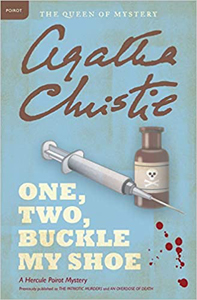
‘Patriotic Murders’ (1940) is both political and personal

Agatha Christie is not widely loved for her espionage novels featuring high-level politics. But she loved writing about those subjects. Somewhat making up for her

READ MORE

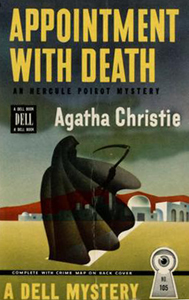
‘Appointment with Death’ (1938) probes unhappy family

Building off the interest in psychology displayed in “Cards on the Table” (1936), Agatha Christie digs further into that science in “Appointment with Death” (1938).

READ MORE