
Agatha Christie

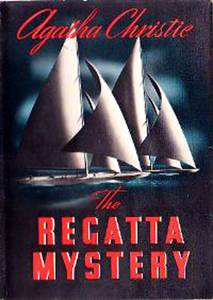
Christie delivers variety in ‘Regatta Mystery’ (1939)

Prior to “The Regatta Mystery and Other Stories” (1939), Agatha Christie seemed to think of her short stories in terms of collections under the banner
READ MORE

Christie tries novella form in ‘Dead Man’s Mirror’ (1937)

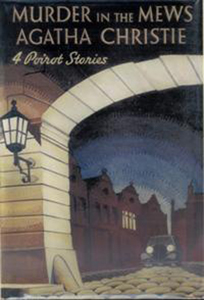
I generally prefer Agatha Christie’s novels to her short stories, and now “Dead Man’s Mirror” (1937, also published as “Murder in the Mews”) gives me

READ MORE

Poirot, dog sniff out Christie’s ‘Dumb Witness’ (1937)

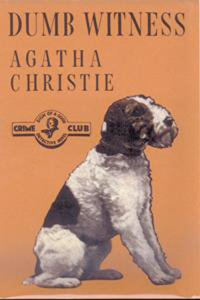
“Dumb Witness” (1937, also published as “Poirot Loses a Client”) is a straightforward Agatha Christie mystery in its construction. But it stands out as a

READ MORE

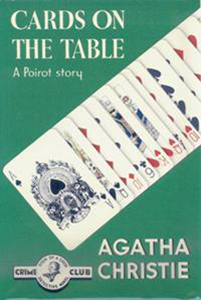
‘Cards on the Table’ (1936) shows closed-room mystery mastery

“Cards on the Table” (1936) starts with a weird premise and a weird hobby: A socialite, Mr. Shaitana, likes to throw parties where he invites

READ MORE

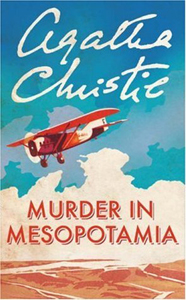
Poirot all business in ‘Murder in Mesopotamia’ (1936)

“Murder in Mesopotamia” (1936) is entertaining, but it doesn’t hold up to a close analysis the way Agatha Christie’s top-shelf novels do. In a way,

READ MORE

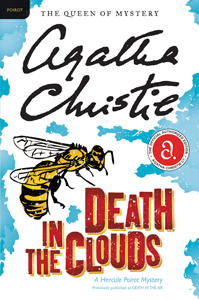
Poirot airs his theories in ‘Death in the Clouds’ (1935)

Hercule Poirot is better known for solving murders on trains and riverboats, but he also solves a killing on an airplane (or “aeroplane,” by the

READ MORE

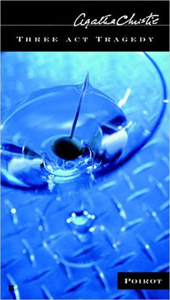
Christie gets theatrical in ‘Murder in Three Acts’ (1935)

There are two types of mystery readers: Those who view the book as a puzzle they must solve, and those who read it for the

READ MORE

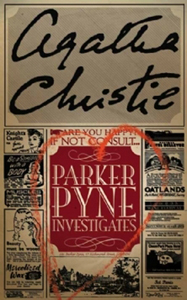
Christie expands sleuth roster with ‘Parker Pyne Investigates’ (1934)

Like “The Mysterious Mr. Quin,” “Parker Pyne Investigates” (1934) is a one-off collection of episodic short stories that launches a new and unusual investigator. The

READ MORE

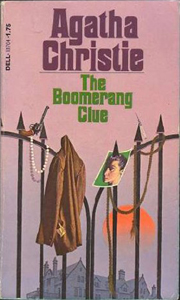
‘Boomerang Clue’ (1934) a better romance than mystery

In “The Boomerang Clue” (1934), as with the 1922 Tommy and Tuppence novel “The Secret Adversary,” Agatha Christie uses the mystery format to write a

READ MORE

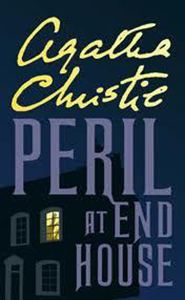
Poirot questions himself in ‘Peril at End House’ (1932)

“Peril at End House” (1932) comes relatively early in Agatha Christie’s career, but already it feels like an effortlessly crafted Poirot mystery, featuring all the

READ MORE