
Alma Reville

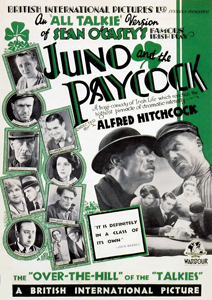
Hitchcock stumbles into sound era with ‘Juno and the Paycock’ (1930)

“Juno and the Paycock” (1930) was, even early in his career, an unusual adaptation for Alfred Hitchcock, as the material is misery-laden and lacking in
READ MORE

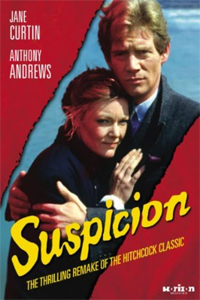
Be very suspicious of the 1988 remake of ‘Suspicion’

“Suspicion” (1941) is driven by two movie stars, Cary Grant and Joan Fontaine, acting the heck out of their roles in order to make an

READ MORE

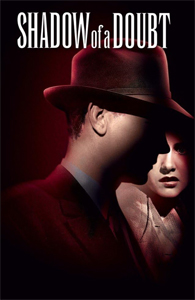
If ‘Shadow of a Doubt’ (1991) doesn’t leave, I’ll kill it myself

“Psycho” (1998) gets the wrath among near beat-for-beat remakes of Alfred Hitchcock’s films, but there are many candidates for worst remake of his work. “Shadow

READ MORE

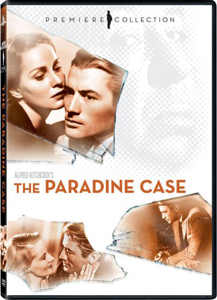
Old Hollywood meets film noir in ‘Paradine Case’ (1947)

Alfred Hitchcock’s “The Paradine Case” (1947) is so nice looking and features such great performances that it almost overshadows the thin story by uber-producer David

READ MORE

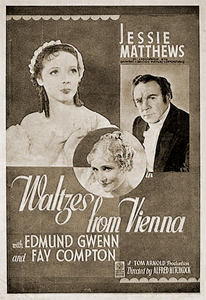
‘Waltzes from Vienna’ (1934) a light but important Hitchcock film

“Waltzes from Vienna” (1934) isn’t quite a musical – after all, it focuses entirely on the creation of a single song, Johann Strauss II’s “The

READ MORE

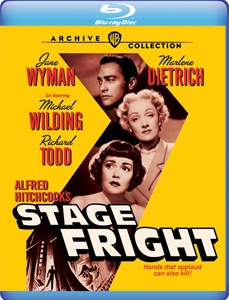
‘Stage Fright’ (1950) puts love rectangle at center stage

“Stage Fright” (1950) revisits the wrongly pursued person and theatrical setting of “Murder!” (1930) and executes the subsequent events better. Flirting with slow-burn romantic intrigue

READ MORE

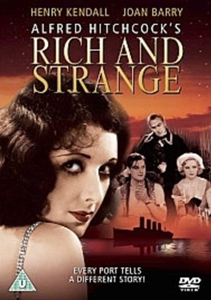
‘Rich and Strange’ (1931) cracks code of talkie filmmaking

After middling creative success with what today play like filmed theatrical works early in the sound era, Alfred Hitchcock opens up to the medium’s potential

READ MORE

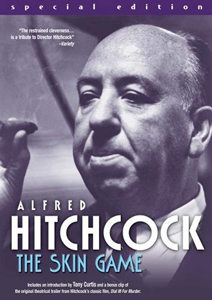
Rules of ‘The Skin Game’ have changed since 1931

Alfred Hitchcock slowly and steadily moves closer to learning how to do sound films (which, to be fair, put him in the same boat as

READ MORE

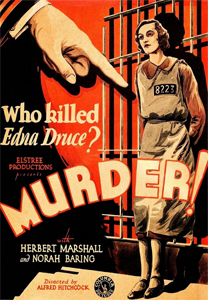
‘Murder!’ (1930) is an overly talky early Hitchcock talkie

“Murder!” (1930) is an early example of Alfred Hitchcock’s favorite theme of the wrongly accused person (in this rare case, a woman rather than a

READ MORE

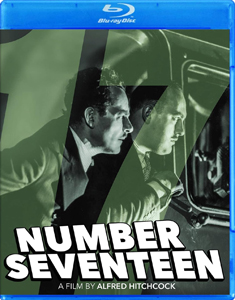
‘Number Seventeen’ (1932) shows Hitch’s skill at action

With his sixth sound film, “Number Seventeen” (1932, sometimes titled as “Number 17”), Alfred Hitchcock accidentally showcases his skill in action direction and editing. It’s

READ MORE