- John Hansen
- November 5, 2020
‘V for Vendetta’ (2006) a gorgeous revolution
When I saw “V for Vendetta” in theaters in 2006, having gone in mostly cold, it washed over me like a new, surprising experience. Although



When I saw “V for Vendetta” in theaters in 2006, having gone in mostly cold, it washed over me like a new, surprising experience. Although
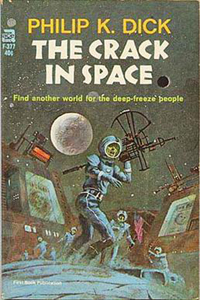
“The Crack in Space” (written in 1963, published in 1966) is an unusually earnest novel from Philip K. Dick, who tackles American race relations through
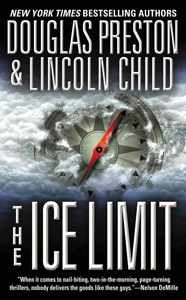
Douglas Preston and Lincoln Child take their first excursion beyond the USA, and it’s a memorable one, in “The Ice Limit” (2000). When I think
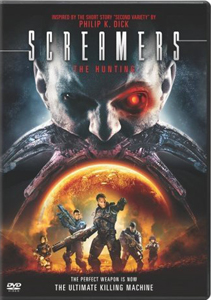
With the sequel “Screamers: The Hunting” (2009), we get further away from the Philip K. Dick source material adapted into 1995’s “Screamers”: the 1953 short
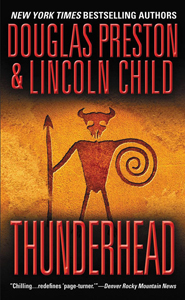
Archaeologist Nora Kelly enters the pantheon of Douglas Preston and Lincoln Child’s heroes in “Thunderhead” (1999), an early and still great example of their Southwestern
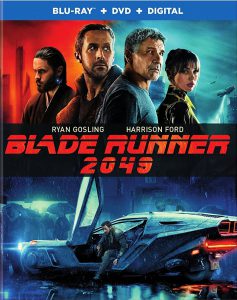
“Blade Runner 2049” (2017) is largely an exercise in returning to the world of “Blade Runner” rather than significantly expanding the narrative. No surprise then
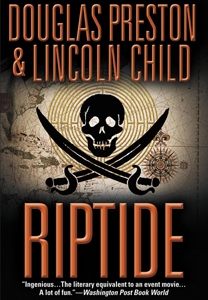
“Riptide” (1998) is one of the few Douglas Preston & Lincoln Child books to not feature characters who appear elsewhere, but it shouldn’t be overlooked.
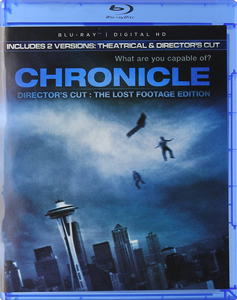
“Chronicle” (2012) is the only “found-footage” superhero movie, and it’s cool that it makes the attempt, but I can’t help but think it would’ve been better
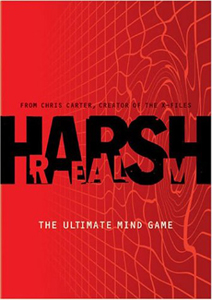
In the February 2000 “X-Files” episode “Sein Und Zeit,” a man questioned by Mulder and Scully narrows down the timeframe of a crime by the
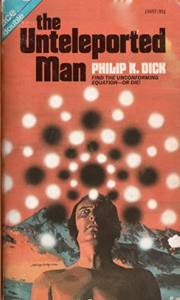
Philip K. Dick’s “The Unteleported Man” (written in 1964, published in 1966) is usually reviewed today in its expanded form as “Lies, Inc.” (1984). While